Starting a real estate photography business is relatively simple.
You can buy a camera, choose a wide-angle lens, photograph a few homes, build a website, and call yourself a real estate photographer.
The difficult part is building a dependable client base.
Your first 25 Realtor clients are important because they help you move from “trying to get work” to operating a real business. Those first clients give you experience, testimonials, referrals, repeat listings, and a much clearer understanding of which services and systems are worth building.
I’ve photographed more than 10,000 homes over 14+ years, and I’ve learned that client acquisition is not mainly a photography problem. It is a trust, communication, and consistency problem.
Agents are not simply buying images. They are buying confidence that:
- You will show up when promised.
- You will make the property look its best.
- You will communicate clearly.
- You will deliver on time.
- You will make their next listing easier.
That is the mindset shift that changes everything.
You are not only a photographer. You are a real estate media service provider.

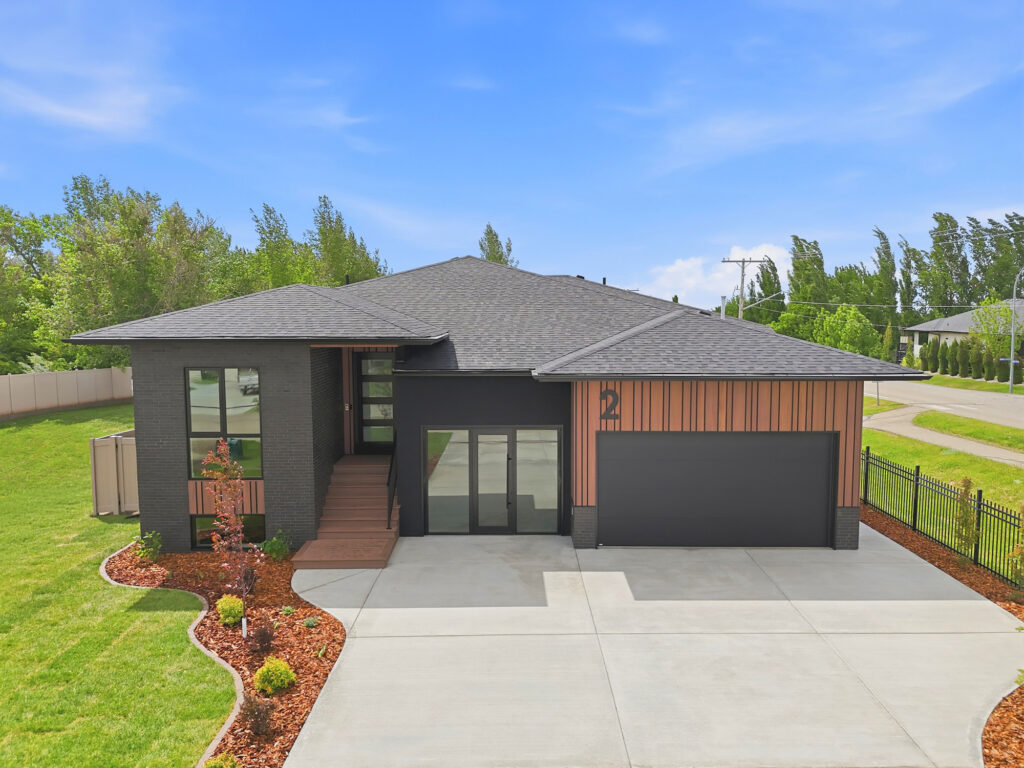
Your portfolio should show agents the type of homes and marketing results you can consistently deliver.
The First Mindset Shift: Stop Selling Photography
When you are starting out, it is natural to focus on camera settings, lenses, editing software, and image quality.
Those things matter. But they are not what most agents are thinking about when they hire you.
An agent is thinking:
- “Can this person help me launch the listing on time?”
- “Will the photos make the property look attractive online?”
- “Will I have to chase them for the gallery?”
- “Can they handle the next listing when my schedule gets busy?”
- “Will my clients be happy with the result?”
If your marketing only says, “I take beautiful real estate photos,” you sound like every other photographer.
Instead, explain the business result you provide:
- Consistent listing photos that help agents present properties professionally.
- Reliable turnaround times that support an agent’s launch schedule.
- Simple booking and delivery systems that reduce back-and-forth.
- A complete media package that may include photos, video, drone, floor plans, or virtual tours.
- A photographer who understands how homes are marketed, not just how cameras work.
This does not mean making exaggerated claims about selling homes faster or for more money. You cannot control the market, the property, the pricing, or the agent’s marketing strategy.
You can control the quality and reliability of your service.
That is what agents remember.
Practical rule: Every part of your business should answer one question: “Will this help the agent market the listing more effectively while making their job easier?”
Build a Portfolio Before You Have Paid Clients
You do not need 100 properties in your portfolio to begin contacting agents.
You need a small, focused portfolio that demonstrates competence.
Aim for three to five practice or test properties, then select only your strongest images. A portfolio with 20 excellent images is more persuasive than a portfolio with 150 inconsistent ones.
Where to Find Your First Properties
You can build your initial portfolio through:
- Your own home.
- A friend’s or family member’s home.
- A vacant property owned by someone you know.
- A local builder or contractor.
- A home being prepared for sale.
- A property listed by an agent who agrees to a test shoot.
- A local stager or interior designer who wants updated portfolio images.
The goal is not simply to photograph random rooms. The goal is to create examples that match the work you want to sell.
If you want to photograph standard residential listings, show:
- A strong exterior image.
- A bright living room.
- A kitchen with clean vertical lines.
- A primary bedroom.
- A bathroom.
- A basement or secondary living area.
- A backyard or outdoor living space.
If you want to attract higher-end agents, include images with stronger composition, controlled window exposure, careful styling, and more polished editing.
Your portfolio should answer the question, “Can this photographer handle a listing like mine?”
Build a Portfolio That Sells the Service
Organize your portfolio around the agent’s needs rather than your camera system.
Useful categories include:
- Interior photography.
- Exterior photography.
- Luxury or high-end homes.
- Condos and smaller properties.
- Drone photography.
- Video and social media content.
- Floor plans.
- Virtual tours.
- Before-and-after examples.
Do not lead with technical information such as your camera’s megapixel count or the number of brackets you capture. Most agents do not care how the image was made. They care about whether the final result looks professional and arrives when promised.
Your complete real estate photography shot list can help you produce a more consistent portfolio while you practice. A repeatable shot list also becomes valuable once you begin handling multiple homes in a day.
The Free Test Shoot Strategy: Done Properly
A free test shoot can help you get your first clients, but it can also create problems if you use it carelessly.
The difference is positioning.
You do not want to become known as “the photographer who works for free.” You want to offer a limited introduction to your service to carefully selected agents.
The objective is not to complete as many free shoots as possible. The objective is to create a strong first experience that converts into paid work.
How to Structure the Offer
Limit the offer to three to five agents.
A simple message might be:
“I’m building relationships with a few local agents and offering a limited number of introductory listing shoots. I’d like to photograph one property for you at no charge so you can evaluate the quality and service. In exchange, I’d ask for permission to use the images in my portfolio and an honest review if you feel the experience was valuable.”
This sounds very different from:
“I’m new. I need experience. I’ll photograph anything for free.”
The first message communicates confidence and structure. The second communicates desperation.
Choose the Right Agents
Do not offer free shoots to anyone who responds.
Look for agents who:
- List properties regularly.
- Have a professional online presence.
- Care about presentation.
- Are responsive and organized.
- Work in your service area.
- Have the potential to send repeat business.
- Are currently using weak or inconsistent listing media.
- Have a team or work within a productive brokerage.
The best free test shoot is not necessarily the most beautiful property. It is often the property attached to an agent who has a steady pipeline of listings.
Agree on the Next Step Before the Shoot
You do not need to pressure the agent into booking a paid shoot before you have delivered anything.
However, you should clarify what happens after the test.
For example:
- You will deliver the images within a specific timeframe.
- The agent can review the work and decide whether your service is a fit.
- Your normal pricing and packages will apply to future listings.
- You will follow up after delivery to discuss the experience.
This prevents the free shoot from becoming an open-ended arrangement.
Deliver Like a Paid Client
The test shoot should use the same professional process you intend to use for paid work.
That means:
- Confirm the appointment in writing.
- Send a preparation checklist.
- Arrive on time.
- Follow a consistent shooting workflow.
- Photograph the important selling features.
- Edit carefully.
- Deliver through a professional gallery.
- Include clear file names and download instructions.
- Follow up after delivery.
If the free shoot feels disorganized, the agent will assume paid work will be worse.
Your 60-minute real estate photography workflow can help you build a process that is efficient without making the service feel rushed.
How to Aim for an 80% Conversion Rate
An 80% conversion rate is not a universal industry benchmark, and you should not expect every free shoot to become a paying client.
However, converting four out of five carefully selected test shoots is a reasonable target when:
- You choose agents who are genuinely active.
- You explain that the offer is limited.
- You deliver strong work.
- You communicate professionally.
- You follow up promptly.
- You make the paid next step clear.
- You ask what the agent needs for future listings.
The conversion does not happen because the shoot was free. It happens because the agent experiences a reliable service and sees a clear reason to continue.
After delivery, ask a simple question:
“How did the experience compare with what you need from a real estate photographer? Is there anything I could improve before your next listing?”
If the response is positive, continue with:
“I’d be happy to help on future listings. I’ve attached my regular packages and booking process. If you have another property coming up, send me the address and preferred date, and I’ll confirm availability.”
That is a professional transition from test shoot to paid relationship.
Contact Agents Directly. But Personalize Everything
Direct outreach is one of the fastest ways to get your first 25 clients.
It also has one of the lowest response rates when done poorly.
Do not send a generic message to hundreds of agents that says, “I’m a real estate photographer. Let me know if you need photos.”
Instead, build a focused list of local agents and contact them with a specific reason.
Build a Prospect List
Create a spreadsheet or CRM with:
- Agent name.
- Brokerage.
- Email address.
- Phone number.
- Instagram profile.
- Website.
- Number of recent listings.
- Last contact date.
- Follow-up date.
- Notes about their business.
- Result of each conversation.
Start with 100 agents in your target area. You do not need to contact them all in one day. Contact 10 to 15 thoughtfully each week and follow up consistently.
Prioritize agents who list frequently rather than agents who have only completed one transaction in the past year.
Send a Short, Relevant Message
A useful first email might look like this:
Subject: Real estate photography for your next listing
Hi [Name],
I’m a local real estate photographer serving [city/area]. I noticed your listing at [address] and wanted to introduce myself. I provide professional listing photography with [your turnaround time] delivery, along with optional [drone, video, floor plans, or other services].
You can see a few examples here: [portfolio link].
I’m currently offering a limited introductory shoot for a few local agents. If you have a listing coming up, I’d be happy to send details.
Thanks,
[Name]
Keep it short. Personalize the property or business reference. Include one portfolio link, not six unrelated links.
Follow-Up Is Where Most Work Is Won
Many photographers send one message and assume the agent was not interested.
The agent may have been:
- At a showing.
- Preparing for an inspection.
- Traveling.
- Handling a difficult client.
- Planning to list next month.
- Interested but distracted.
Follow up two or three times over several weeks. Each follow-up should add something useful rather than simply saying, “Just checking in.”
You could send:
- A new portfolio example.
- A property preparation checklist.
- A short explanation of your turnaround time.
- A reminder about your introductory offer.
- A helpful social media image or listing presentation tip.
Do not harass people. Be persistent, brief, and respectful.
Visit Brokerages and Attend Office Meetings
Online outreach is useful, but real estate remains a relationship-driven industry.
A photographer who regularly appears at local brokerages, open houses, association events, and agent meetups becomes familiar. Familiarity lowers the perceived risk of hiring someone new.
How to Approach a Brokerage
Before visiting, call or email the office administrator and ask whether photographers are allowed to introduce themselves at an office meeting or during a scheduled training session.
Bring:
- Business cards.
- A one-page service sheet.
- A tablet with your portfolio.
- Your standard pricing or starting packages.
- A short preparation checklist.
- A clear explanation of your service area and turnaround time.
Do not take over the office or deliver a long sales presentation. A five-minute introduction is often enough.
You might say:
“I’m a local real estate photographer, and I help agents create consistent listing media without adding more work to their schedule. I photograph interiors and exteriors, and I also offer [relevant add-ons]. I brought a few examples and a preparation checklist. If anyone would like to test my process on an upcoming listing, I’d be happy to speak with them afterward.”
Then let the images and your professionalism do the work.
The Best Question to Ask
After you have completed a successful shoot for one agent in the office, ask:
“Who else in the office should I introduce myself to?”
This is more effective than asking, “Do you know anyone who needs a photographer?”
The first question makes the referral specific and easy. It also takes advantage of the trust you have already earned within the brokerage.
Use Instagram to Support Your Outreach
Instagram may not immediately produce a steady stream of leads, but it can strongly influence whether an agent trusts you after finding your name.
An agent you contact by email may check your Instagram before responding. An agent who meets you at a brokerage may look at your recent work before booking.
Your profile should make three things obvious:
- You are a real estate photographer.
- You serve a specific local area.
- You are available to book.
Optimize the Basics
Use your name field and bio strategically.
For example:
- Name field: Saskatoon Real Estate Photographer
- Bio: Listing photography, drone, video, and floor plans for Saskatoon agents
- Call to action: Book a shoot or view the portfolio
- Link: Your website booking or services page
Do not hide your location behind a vague brand name.
What to Post
A useful weekly content mix might include:
- Two or three strong property images.
- One carousel showing a room from multiple angles.
- One behind-the-scenes post.
- One short educational video for agents.
- One before-and-after example.
- One local neighborhood or property feature.
Tag the agent when appropriate, but ask permission if the property is occupied or the listing is sensitive.
Your content should demonstrate more than visual skill. Show that you understand the agent’s business:
- “Three ways to prepare a kitchen before photography.”
- “Why the first image matters on a listing.”
- “How agents can use vertical video for social media.”
- “What to expect from a 60-minute listing shoot.”
- “When a floor plan adds value to a listing package.”
The Instagram Reel Hooks for Real Estate Media guide can help you develop content ideas without spending hours trying to invent a new topic every day.
Use Local Engagement
Search for:
- Local Realtor accounts.
- Brokerage accounts.
- Local real estate hashtags.
- New listing announcements.
- Builder and stager accounts.
- Mortgage brokers and property managers.
Leave genuine comments. Congratulate agents on listings. Share useful information.
Do not immediately send a sales pitch to every person who follows you. Build familiarity first, then make a relevant introduction.
Local SEO: Make It Easy for Agents to Find You
Outbound marketing helps you find agents.
Local SEO helps agents find you.
When an agent searches “real estate photographer near me” or “real estate photographer in [city],” you want a credible business profile to appear.
Set Up and Complete Your Google Business Profile
Your profile should include:
- Accurate business name.
- Service area.
- Phone number.
- Website.
- Business hours.
- Relevant primary category.
- Detailed services.
- High-quality property images.
- A booking or contact link.
- Regular updates.
Upload real examples of your work, not only logos or camera photos.
Ask every satisfied client for a review. Make the process simple by sending a direct review link shortly after delivery.
Do not offer incentives for positive reviews. Ask for honest feedback about the service.
Create a Local Service Page
Your website should have a page that clearly explains:
- The areas you serve.
- The services you provide.
- Your typical turnaround time.
- Who the service is for.
- How booking works.
- What makes your process reliable.
- Examples of your work.
- A clear contact option.
Use natural phrases such as “real estate photographer in [city]” where relevant, but do not repeat the keyword unnaturally.
A page that says nothing except “professional photography services” gives Google and potential clients very little context.
Use Reviews as Sales Assets
A review that says “great photos” is helpful.
A review that says “the photographer arrived on time, helped us prepare the home, delivered the gallery that evening, and made the whole listing process easier” is much more persuasive.
When you request a review, you can ask the client to mention the part of the experience that mattered most to them.
Find Your First Five Agent Advocates
You do not need 25 agents to create momentum.
You need your first five strong advocates.
An advocate is more than someone who has hired you once. An advocate:
- Books you repeatedly.
- Recommends you to colleagues.
- Tags you in social media posts.
- Speaks positively about your process.
- Gives you useful feedback.
- Trusts you with important listings.
- Helps you understand how agents in your market buy services.
Five advocates can become the foundation of your business.
How to Identify Them
Look for agents who:
- Have consistent listing activity.
- Value marketing.
- Communicate clearly.
- Respect your time.
- Pay promptly.
- Give you reasonable notice.
- Are willing to provide feedback.
- Refer people without needing to be pressured.
Not every high-volume agent is a good client. A client who sends many listings but creates constant problems may not be worth the apparent volume.
Help Advocates Refer You
Give them a simple way to refer you.
Create a short message they can forward:
“I’ve been using [photographer name] for my listing media. The photos are consistent, booking is easy, and delivery is reliable. Here is the portfolio and contact link.”
You can also provide a digital contact card or a dedicated referral page.
After a successful delivery, ask:
“I’m working on building relationships with a few more agents who value reliable listing media. If someone in your office asks who you use, would you feel comfortable introducing us?”
That question is direct without being awkward.
Turn One-Off Shoots Into Long-Term Relationships
Getting the first booking is only the beginning.
The real goal is to become the agent’s default media provider.
Watch Scott’s YouTube Video on Building a Real Estate Photography Business
If you want a video companion to this article, watch Scott’s breakdown of how he would approach building a real estate photography business from the ground up:
If I Had to Start a Real Estate Photography Business from Scratch (2026)
It is especially relevant to the client acquisition side of this guide because it covers practical ideas such as:
- Building a portfolio before expecting consistent paid work.
- Using free shoots strategically instead of offering unlimited free work.
- Improving outreach so more agents actually respond.
- Focusing on actions that lead to bookings instead of endlessly tweaking gear.
If this article helps you map out the written strategy, that video is a useful next step to hear the same business-building ideas explained in a more direct, practical format.
Make the Second Booking Easy
At delivery, include:
- A clear gallery.
- Download instructions.
- Your booking link.
- Your current service list.
- A reminder of your next available dates.
- A note about related services they may need.
For example:
“If you have another listing coming up, you can book directly here. I’m currently scheduling [timeframe]. I also offer floor plans and short-form video if you want to add those to future listings.”
Do not turn every delivery email into a sales pitch. Keep it useful and relevant.
Track Client Preferences
Record details such as:
- Preferred contact method.
- Typical property size.
- Preferred image count.
- Whether they order drone.
- Whether they need social media video.
- How they like files named.
- Their usual booking lead time.
- Any recurring concerns.
This small amount of organization makes future interactions feel personal and professional.
A simple spreadsheet can work at the beginning. As volume increases, a client management platform can help you track bookings, communication, delivery, and follow-up.
Build a Consistent Client Experience
Agents stay with photographers who are dependable.
That means:
- Responding quickly.
- Confirming details in writing.
- Arriving prepared.
- Helping the agent understand how to prepare the home.
- Delivering consistently.
- Fixing mistakes without defensiveness.
- Keeping pricing understandable.
- Giving advance notice when your availability changes.
Your complete real estate media services guide can help you think beyond still photography and create a service menu that grows with your clients’ needs.
Common Mistakes New Real Estate Photographers Make
1. Waiting for Perfect Gear
A better camera may improve certain aspects of your work, but it will not build relationships for you.
Use reliable equipment and focus on composition, consistency, communication, and delivery.
Our ultimate real estate photography gear guide explains how to evaluate gear based on whether it helps you shoot faster, deliver better quality, or earn more.
2. Offering Free Work Without a Plan
Free work should have a purpose, a limit, and a next step.
If you continue offering free shoots indefinitely, you teach prospects to value your work at zero.
3. Sending Generic Messages
Agents ignore messages that could have been sent to anyone.
Mention the agent, property, brokerage, or service need whenever possible.
4. Failing to Follow Up
Most opportunities are lost because the photographer never follows up.
Create a simple follow-up schedule and use it consistently.
5. Making the Conversation About Yourself
Agents do not need a long explanation of your creative journey.
Explain how your process helps them market listings and reduce friction.
6. Underpricing Everything
Low pricing may attract attention, but it can also attract clients who only shop on price.
Use introductory offers carefully, then move toward sustainable pricing. The real estate photography pricing guide can help you build packages around time, deliverables, expenses, and profit.
7. Delivering Inconsistently
One excellent shoot followed by one rushed or poorly edited shoot damages trust.
Develop a repeatable shooting and editing system. The complete HDR real estate photography guide explains how consistency in capture and post-production can improve both quality and efficiency.
8. Never Asking for the Next Booking
Do not assume clients will remember you automatically.
Make the next booking easy and ask whether they have another listing coming up.
A Practical 90-Day Plan to Reach Your First 25 Clients
Days 1–14: Build the Foundation
- Photograph two to three portfolio properties.
- Create a simple website or landing page.
- Set up your Google Business Profile.
- Create an Instagram business profile.
- Prepare your pricing and service sheet.
- Write a home preparation checklist.
- Set up a lead tracking spreadsheet.
- Choose three to five agents for your test shoot offer.
Days 15–30: Start Conversations
- Contact 10 local agents each week.
- Visit or contact three brokerages.
- Attend at least one local industry event.
- Follow and engage with local agents on Instagram.
- Complete your first test shoot.
- Request an honest review after delivery.
- Follow up with every prospect.
Days 31–60: Create Momentum
- Complete the remaining test shoots.
- Publish new portfolio examples.
- Ask satisfied agents for introductions.
- Contact agents who recently listed properties.
- Attend office meetings, open houses, or brokerage events.
- Post useful local content consistently.
- Improve your booking and delivery process.
Days 61–90: Focus on Retention
- Identify your five strongest client relationships.
- Ask each one about upcoming listing needs.
- Offer relevant add-ons without forcing them.
- Send a monthly availability or service update.
- Request additional reviews.
- Follow up with prospects who previously showed interest.
- Review which marketing channels are producing conversations and bookings.
Do not measure success only by follower count or website traffic.
Track:
- Number of personal conversations.
- Number of follow-ups.
- Test shoots completed.
- Paid bookings.
- Repeat bookings.
- Reviews received.
- Referrals generated.
- Average revenue per client.
- Time spent acquiring each client.
That information tells you what is actually working.
Frequently Asked Questions
1. How long does it take to get the first 25 Realtor clients?
It depends on your market, availability, portfolio, pricing, and consistency. Some photographers may reach 25 clients in a few months, while others take longer. Focus on building 25 relationships over time rather than collecting 25 one-time bookings.
2. Should I offer my first real estate photography shoot for free?
A limited free test shoot can be useful if you select the agent carefully and define the next step. Avoid offering unlimited free work or advertising yourself as the cheapest option.
3. What should I charge after the free test shoot?
Use sustainable pricing based on your time, expenses, deliverables, and desired profit. Do not create a low introductory price that you cannot maintain. Explain your regular packages before or immediately after the test shoot.
4. How many photos should be in my portfolio?
Start with approximately 20 to 40 of your strongest images. Quality and consistency matter more than volume. Organize the work so agents can quickly find examples relevant to their listings.
5. Is Instagram enough to get Realtor clients?
Instagram can support your credibility and create inbound conversations, but it should not be your only marketing channel. Combine it with direct outreach, local SEO, brokerage relationships, and referrals.
6. Do I need a website before contacting agents?
A simple website or portfolio page makes outreach more credible, but it does not need to be complicated. Include your best work, service area, contact information, turnaround time, and booking instructions.
7. What is the best way to approach a brokerage?
Contact the office administrator or manager first. Ask about attending a meeting or providing a short introduction. Bring a concise portfolio and focus on how your service helps agents, rather than delivering a long sales pitch.
8. How do I ask an agent for a referral without sounding pushy?
Ask after you have delivered strong work and confirmed that the client is satisfied. A simple question works: “If someone in your office asks who you use for listing media, would you feel comfortable introducing us?”
9. What if an agent only hires me once?
Follow up professionally, ask for feedback, and stay visible. The agent may not have another listing immediately. A helpful review request or occasional availability update can keep the relationship open.
10. Should I specialize in one type of real estate client?
You do not have to specialize permanently, but starting with a clear target makes marketing easier. You might focus on residential Realtors, luxury agents, condo specialists, teams, builders, or rural properties.
Final Takeaway
Your first 25 Realtor clients will not come from one perfect marketing tactic.
They will come from a system:
- Build a focused portfolio.
- Position yourself as a reliable service provider.
- Use limited free test shoots strategically.
- Contact agents personally.
- Build relationships inside brokerages.
- Use Instagram to demonstrate quality and local expertise.
- Optimize local search so agents can find you.
- Turn your first five strong clients into advocates.
- Deliver a consistent experience.
- Follow up and ask for the next booking.
The goal is not to chase every possible client. The goal is to find agents who value professional media, communicate well, and can become long-term partners.
Once you build those relationships, growth becomes much easier. Your portfolio improves, your confidence increases, your referrals become more consistent, and your business begins to operate on repeatable systems instead of luck.
For the next step, read Building a Six-Figure Real Estate Photography Business to learn how to move from individual bookings to a scalable business. You can also join the RE Media Systems community for practical advice on marketing, workflows, pricing, AI tools, and building a better real estate media business.